
Research & Innovation
Our Research & Innovation ecosystem

INOVA CCS
Promotes a culture of innovation and entrepreneurship in the dean's office of the Health Sciences Center - UFRJ.
Research Ethics Committee of the Clementino Fraga Filho University Hospital of UFRJ (CEP/HUCFF/FM/UFRJ)
A collegiate body of a consultative, educational, and deliberative nature, with responsibilities related to issuing opinions on research protocols involving human subjects.

UFRJ Innovation Agency
Promotes a culture of innovation and entrepreneurship in the dean's office of the Health Sciences Center - UFRJ.

Ethics Committee on the Use of Animals (CEUA UFRJ)
It is responsible for analyzing all research and teaching protocols that use animals within the Federal University of Rio de Janeiro.
Laboratories
Laboratory for Health Diagnostics (LaDiS)
- Evaluation and validation of methodologies employed in laboratory diagnostics and population-level disease screening;
- Analysis of public health data available through national health information systems (e.g., DATASUS);
- Pharmacological bioprospecting of bioactive compounds derived from plant and algal sources.
Laboratory of Experimental Hemostasis (LabHEx)
The Experimental Hemostasis Laboratory (LabHEx) integrates six lines of work:
- Research into new antiplatelet drugs;
- Research into new anticoagulants;
- Development of nanosystems applied to hemostatic disorders;
- Hemocompatibility Assessment;
- Pathophysiological studies of thrombotic and hemorrhagic diseases and
- Standardization of new blood assays.
Laboratory of Medical and Forensic Mycology (LMMF)
- Laboratory diagnosis of fungal infections;
- Research focused on dermatophytoses;
- Antifungal susceptibility testing of drugs and natural products;
- Applied mycology in forensic science and legal medicine.
Laboratory of Immunology Studies (LEI)
- Scientific research projects in immunology, with emphasis on pulmonary inflammation, allergic responses, humoral immunity against arboviral and bacterial infections, and immunotherapy;
- Development and delivery of theoretical and practical courses at the undergraduate and graduate levels;
- Collaborative outreach initiatives involving students and faculty from public schools in the State of Rio de Janeiro.
Laboratory for Educational Strategy Development (LDE2)
Research in Education and Technology, with a focus on higher education;
Hybrid and blended learning models, open education initiatives, curriculum development and instructional design, and continuing professional development for educators.
Laboratory of Toxicological Analysis (LATox)
Research in ethnopharmacy, focusing on the chemical characterization and toxicological assessment of natural products;
Specialized analytical services and pharmaceutical consultancy in the field of natural products
Laboratory of Clinical Bacteriology and Immunology (LaBIC)
- Molecular and functional characterization of bacterial virulence factors;
- Design and development of prophylactic and therapeutic vaccines;
- Mechanistic studies of bacteria–host interactions;
- Advanced laboratory diagnosis and characterization of bacterial pathogens.
Laboratory of Tumor Biochemistry (LBT)
- Structural and functional characterization of protein–protein interactions as therapeutic targets in cancer;
- Elucidation of the molecular mechanisms driving aggregation and prion-like propagation of the tumor suppressor p53;
- Screening and selection of novel small-molecule candidates for anticancer drug development.
Laboratory of Viral Analysis (LAV)
Research on molecular diagnostics for viral infections;
Ecological and epidemiological investigation of arboviral vectors circulating in Atlantic Forest ecosystems and adjacent anthropogenically disturbed areas;
Development and validation of novel molecular diagnostic kits and sequencing-based analytical platforms.
Laboratory of Molecular Diagnosis and Hematology (LDMH)
Molecular diagnosis of infectious and genetic diseases employing PCR-based methodologies, including qPCR, RAPD, PCR–RFLP, and DNA sequencing;
Molecular characterization and genotyping of microorganisms.
Laboratory of Industrial Microbiology and Genotoxicity Assessment (LaMiAG)
- Non-clinical cytotoxicity and genotoxicity assessment using lower eukaryotic and bacterial model systems;
- Screening and characterization of compounds with photoprotective and antioxidant properties;
- Advanced micromanipulation of microorganisms and development of biological indicators for environmental and toxicological monitoring.
Laboratory of Immunoparasitology and Toxicological Analysis (LIPAT)
- Mechanistic studies of hepatic fibrosis in experimental schistosomiasis, encompassing biochemical, histopathological, and immunological analyses;
- Investigation of human parasitic diseases, including Chagas disease and leishmaniasis, and the molecular and cellular pathobiology of fungal infections;
- Comprehensive in vivo toxicological evaluation of bioactive compounds and experimental substances.
Laboratory of Experimental Toxicology (LaTEx)
- Research in toxicology and pharmacology;
- Investigation of cannabinoids and bioactive natural products with therapeutic potential.
Laboratory of Molecular Targets (LAM)
- Analysis and manipulation of nucleic acids for the development of expression vectors and recombinant protein–producing cells. Identification of potential molecular targets and characterization of protein mechanisms of action with biopharmaceutical potential;
- Investigation of the influence of energy metabolism on macrophage responses to infection and other stimuli. Study of myokine involvement in the beneficial effects of physical exercise on carcinogenesis and tumor progression;
- Study of metabolic diseases in insect models, including the identification of novel targets for the control of insect vectors of disease and agricultural pests.
Laboratory of Enzymology and Metabolic Regulation (LabECoM)
The research group coordinated by Prof. Mauro Sola-Penna conducts interdisciplinary research integrating Physiology, Biochemistry, and Molecular Biology, with a focus on the molecular mechanisms underlying metabolic diseases, particularly Obesity and its comorbidities, including Diabetes Mellitus and Non-Alcoholic Fatty Liver Disease (NAFLD). The primary research focus is to investigate how dietary components—such as macro- and micronutrients, food additives, and dietary supplements—contribute to the development and prevention of disease and functional aging. Adopting a molecular approach, the group maintains active collaborations with research groups in Brazil and abroad, contributing to the training of highly qualified human resources.
Laboratory of Neuroscience and Behavior (LabNeC)
The Laboratory of Neuroscience and Behavior (LabNeC) is a research laboratory dedicated to the study of alterations in the central and peripheral nervous systems. Our research focuses on understanding how environmental factors impact cognition and/or the sensory system, using in vivo and in vitro experimental models of diseases such as Alzheimer’s disease, Parkinson’s disease, viral infections including Zika, Chikungunya, and SARS-CoV-2, as well as models of chronic pain.
Laboratory of Microbial Drug Biotechnology (LaBiMFAR)
- 1. Enzyme production by microorganisms;
- Production of biomolecules of industrial interest;
- Production of pharmacological and dermocosmetic derivatives;
- Valorization of agro-industrial residues for microbial growth.
Pharmaceutical Bioassays (LaBioFar)
The LaBioFar laboratory conducts research involving different cell cultures. It currently has four main research lines: 1 – Development of neural models in vitro 1. For the study of neurodevelopmental disorders; 2. Development of biomaterials and biopharmaceuticals for the field of dentistry; 3. Development of formulations based on essential oils with antibacterial action for the treatment of bovine mastitis; 4. Biological, biopharmaceutical and toxicity profile evaluation of molecules with therapeutic potential in in vitro bioassays.
Pharmaceutical Biotechnology (pbiotech)
- Pharmaceutical Biotechnology: Molecular basis and development of biopharmaceuticals and nutritional therapy in diabetes, amyloidosis and comorbidities;
- Biosciences and (nano)biotechnology applied to health: emphasis on cancer and infectious diseases;
- Outreach activities in health promotion: clinical practice and education in bioscience and health.
Pharmacometrics (LabFarma)
- Development and validation of bioanalytical methods using HPLC-DAD and LC-MS/MS;
- Pharmacometrics Analyses: drug monitoring, compartmental, non-compartmental, population-based pharmacokinetics (POPPK) and physiology-based pharmacokinetics (PBPK);
- In vitro drug metabolism studies;
- Pharmacogenomics
Laboratory of Structural Molecular Biology (LaBiME)
- Application of biophysical methods to investigate proteins associated with neurodegenerative diseases;
- Identification of molecular mechanisms underlying conformational changes and aggregation of prion protein and α-synuclein;
- Selection and characterization of protein aggregation modulators as candidate therapeutics for neurodegenerative diseases.
Laboratory of Experimental Pharmacology Studies (LEFEx)
The Laboratory of Experimental Pharmacology Studies (LEFEx) conducts research in the field of experimental pharmacology, with a focus on inflammatory diseases.
Laboratory of Molecular Cancer Biology (LabOMol)
The Laboratory of Molecular Cancer Biology (LabOMol) integrates Biochemistry, Molecular Biology, and Pharmacology, focusing on major pathologies such as diabetes and cancer. The main research lines include: (1) Metabolic reprogramming, with glycolysis as a therapeutic target for the treatment and prevention of breast cancer; (2) Evaluation of diet as an inducer of biomarkers associated with the development of Type 2 Diabetes Mellitus, hepatic steatosis, and cancer—particularly in the context of aging-related processes.
Nanotheranostics (GNT)
Coordinator: Prof. Luiz Cláudio R. Pereira da Silva
Location: CCS, Block B, basement, room 14
Nanotherapy Group
Pharmaceutical Planning and Computational Simulation (LaPFarSC)
- Planning of bioactive compounds and pharmaceutical formulations;
- Studies of therapeutic molecular targets;
- Studies of carrier materials and crystalline structures of drugs;
- Studies of photoprotective and antioxidant mechanisms.
Pharmaceutical Research and Development and Micro and Nanostructured Systems (micro-nanotech R&D)
- Pharmaceutical systems development
micro and nanostructured products containing active ingredients of natural or synthetic origin with
potential employment in the pharmaceutical and cosmetics industry - Systems development from products
of natural origin, such as plant extracts, resins or essential oils.
Pharmacobotany (LabFBot)
- Studies on medicinal plants involving the establishment of morphological, histochemical and microchemical standards and quality control of plant raw materials;
- Anatomical, histochemical and microchemical studies on plants from Brazilian coastal dunes, with emphasis on coastal dunes in the state of Rio de Janeiro;
- Studies on unconventional food plants (PANC);
- Studies of the development, structure, histochemistry, and microchemistry of galls formed in plants from coastal dune ecosystems in Rio de Janeiro state;
- Food microscopy with the establishment of standards for food raw materials and investigation of contaminants, adulterations and falsifications.
Responsible professors: Ana Cláudia de Macêdo Vieira and André Luis de Alcantara Guimarães
Technical manager: Luiz Augusto de Souza Guimarães
Bioprospecting and Applied Ethnopharmacology (LABEA)
- Chemical, biological, and genetic studies of plant species that produce oleoresins, focusing on their economic potential for the perfume, cosmetics, and pharmaceutical industries.;
- Studies focused on the ethno-sustainable development of bioproducts derived from associated traditional knowledge;
- Studies on public policies and regulatory and sanitary aspects involving medicinal plants and herbal medicines;
- Analysis of the medicinal plant and herbal medicine market in Brazil, considering the impact of health regulations applied to the registration of these products, as well as the informal and illegal market that coexists with regular products;
- A historical, ethical, and legal analysis of access to biodiversity and associated traditional knowledge in Brazil and the world.
Professor in charge: Danilo Ribeiro de Oliveira
Natural Products and Biological Assays (LaProNEB)
- Studies of biotransformation using endophytic fungi and biocatalysis reactions with natural products mediated by lipases (hydrolysis reactions, acylations, epoxidations, chiral resolutions and asymmetric syntheses) to search for new bioactive products;
- Phytochemical studies and evaluation of biological and pharmacological activities (Isolation of natural products from plant species and structural elucidation using spectrometric and spectroscopic techniques);
- Evaluation of phytotoxic and larvicidal activity (Activity tests with natural products);
- Evaluation of the antibacterial and antioxidant activity of natural and synthetic products using different in vitro methodologies;
- Studies of plant chemosystematics (focus on pharmacological activities).
Responsible professors: Ivana Correa Ramos Leal, Maria Isabel Sampaio dos Santos and Naomi Kato Simas
Applied Pharmacognosy (LAFAP)
Natural History, History of Pharmacognosy in Brazil and Historical Ethnobotany: qualitative and quantitative analysis of historical documentation from the mid-16th century to the mid-20th century in order to record and inventory the legacy of explorer travelers and naturalists, researchers and professors in the field of medicinal plants, the traditional use of useful and medicinal plants in South America and the diachronic understanding of Pharmacognosy in Brazil;
Evidence-based phytotherapy: systematic reviews in the search for clinical evidence on the efficacy and safety of medicinal plants and herbal medicines;
Science Communication, Education and Social Media: the impact of social media as a teaching tool for elementary and secondary education and for science communication in the field of Botany;
Anti-aging action of Brazilian medicinal plants: antioxidant activity and inhibition of enzymes involved in the aging process by plant extracts from native species.
Professor in charge: Leopoldo Clemente Baratto
Urban Life, Consumption and Health (LabConsS)
Professor in charge: Luiz Eduardo Rodrigues de Carvalho
Bromatological and Microscopic Control (LabCBrom)
Laboratory providing specialized services in the area of food quality, offering technical support and guidance to students in supervised food internships in the Pharmacy course, as well as to undergraduate research, master's and doctoral students seeking analyses relevant to their projects.
Faculty lead: Mirian Ribeiro Leite Moura
Responsible technicians:
Angelo Paschoalette – Chemist / Specialist in Laboratory Safety & Waste Management
Osman Feitosa da Silva – Pharmacist/Master in Natural Products Chemistry and PhD in Chemical and Biochemical Process Technology.
Paula de Alvarenga Bastos – Pharmacist/Specialist in legislation and health surveillance/Master's student in Pharmaceutical Science and Technology.
Biofunctional Nanotechnology (LNB)
Our research involves the development of biomaterials related to human health, primarily focusing on micro- and nanoencapsulation and controlled release of bioactive substances, preferably of natural origin. In the area of Nanoscience and Nanotechnology, the focus is on the preparation and characterization of magnetic nanoparticles for medical applications ("drug delivery" and magnetic hyperthermia) and biotechnological applications (enzyme immobilization).
Faculty lead: Priscilla Vanessa Finotelli
Sensory Analysis and Food Development (LASDA)
- Sensory analysis of food and beverages;
- Application and evaluation of the use of natural antioxidants in food;
- Presence of bioactive compounds in food;
- Physical-chemical quality control and chemical contamination of food.
Faculty lead: Carla da Silva Carneiro
Associate Professors: Fabrício de Oliveira Silva and Igor de Almeida Rodrigues
Research on Bioactive Substances (LISBio)
The Laboratory for Research on Bioactive Substances works in the prospecting of natural products and foods with functional potential. LISBio has two lines of research: (i) the evaluation of anti-Leishmania (i) natural products (fixed extracts, essential oils, isolated substances); and (ii) development and characterization of food matrices with antioxidant activity.
Responsible Professor: Igor de Almeida Rodrigues Associate Professor: Carla da Silva Carneiro
- Biological activity of extracts, fractions and isolated components against infection. in vitro and in vivo put Leishmania spp.
- Prospecting for inhibitors of enzymes that regulate oxidative stress in Leishmania (focus on the polyamine and trypanothione pathway).
- Toxicity of natural products in cell models (cell lines and primary cells).
- Antioxidant capacity and antioxidant biological activity (ex vivo and in vivofood and beverages in its natural state and fermented.
Responsible Professor: Igor de Almeida Rodrigues Associate Professor: Carla da Silva Carneiro
Plant Micromorphology (LaMiVeg)
The research group coordinated by Professor Juliana Villela Paulino works in the field of Botany, with morphological analyses, microscopy, and imaging.
- Study of floral development and functionality in important groups of Leguminosae, with significant morphological variations;
- Development and micromorphology of secretory structures for understanding the production and storage of substances with bioactive potential;
- Study of reproductive structures with nutritional value, such as fruits and arils, which reveal their nutritional potential and involvement in the plant's ecological processes;
- Study of pollen biology to understand plant reproduction processes and interaction with bees. Structural and ultrastructural analyses.
Professor in charge: Juliana Villela Paulino
Food Technology and Instrumental Analysis (LATAIA)
LATAIA develops research projects in Food Science and Technology, aiming to obtain biofortified and/or innovative products, as well as evaluating them for micronutrients such as iron, zinc, and carotenoids, with the goal of serving undergraduate and graduate students.
Responsible professors: Lucia Maria Jaeger de Carvalho and Fernanda Dias Bartolomeu Abadio Finco.
Partnership with several laboratories such as those of Prof. Mirian Ribeiro Leite Moura and Prof. Lucio Mendes Cabral, Prof. André Luiz Guimarães and Prof. Antonio Jorge (IPNN)
Integrated Botany (LabBoti)
- Morphoanatomical analysis applied to the quality control of herbal drugs.
Professor in charge: Elaine Santiago Brilhante de Albuquerque
Applied Botany (LaBotA)
Professor in charge: Nina Claudia Barboza da Silva
Phytochemistry and Pharmacognosy (PhytoPharma)
The Phytochemistry and Pharmacognosy Laboratory was founded in 1996 by Professor Suzana Guimarães Leitão (coordinator). The group works in the area of Natural Products Chemistry and Pharmacognosy, with emphasis on the following research lines:
- Isolation and identification of bioactive natural products;
- Ethnopharmacology;
- Medicinal plants and herbal remedies;
- Essential oils.
Professor in charge: Suzana Guimarães Leitão.
Multi-user equipment
MicroCal iTC200 Isothermal Titration Calorimeter
Laboratory of Structural Molecular Biology (LaBiME)
Responsible: Prof. Yraima Cordeiro
ChemiDoc Imaging System
Laboratory of Neuropharmacology and Behavior (LabNec)
Responsible parties: Prof. Robson Costa, Giselle Passos and Claudia Figueiredo
Bruker D8 Venture X-ray Diffractometer
Protein X-ray Diffraction Laboratory (LDRX)
Responsible: Prof. Luís Maurício Trambaioli
Thermo Multiskan Go Spectrophotometer
Laboratory for Studies in Immunology (LEI)
Responsible: Prof. Priscilla Olsen
Jasco FP-8500 fluorescence spectrometer
Laboratory of Structural Molecular Biology (LaBiME)
Responsible: Prof. Yraima Cordeiro
Highlights
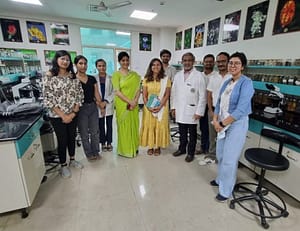
UFRJ and the Indian Government
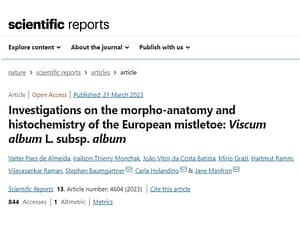
It was published in Scientific Reports!
Artisanal jabuticaba wine
Innovation and Entrepreneurship Center

Responsibilities
To enable innovative and entrepreneurial initiatives within the Faculty of Pharmacy.
To foster a culture of innovation and entrepreneurship among students and staff.
To align the demands of the Faculty of Pharmacy with the UFRJ Innovation ecosystem.

Prof. Diego Allonso
Coordinator
2021
2021 Dissertation - Thayna Rocco
2021 Dissertation - Daniel Kibwila
2021 Dissertation – Christian Campos
2021 Dissertation – Emanuelle Vasconcellos
2021 Dissertation – Ingrid Del Castilo
2021 Dissertation – João Raphael Leite
2021 Dissertation – Leticia Maria
2021 Dissertation – Lilian Casartelli
2021 Dissertation – Mariana Muniz
2022
2022 Dissertation - Deborah Dias
2022 Dissertation - Lucas Ascari
2022 Dissertation – Daniel Vanzan
2022 Dissertation – Clara Nogueira
2022 Dissertation – Fellipe Francisco
2022 Dissertation – Gabriela Lopes
2022 Dissertation – Júlia Moura
2022 Dissertation – Pamela Gomes
2022 Dissertation – Thayane Araujo
2023
2023 Dissertation – Davi Vicente
2023 Dissertation – Miria Figueiredo
2023 Dissertation - Eduardo Araujo
2023 Dissertation – Carlos Roberto
2024
2024 Dissertation – Julia Gomes
2024 Dissertation – Gustavo Martins
2024 Dissertation – Carina Morgado 2024
2024 Dissertation – Breno de Almeida
2024 Dissertation – Anna Raphaella
2024 Dissertation – Anna Carolina Pereira Lontra
2024 Dissertation – Alessandra Correia
2024 Dissertation Thamires Bragança
2024 Dissertation - Maria Heloisa
2024 Dissertation - Rodrigo Duarte
2024 Dissertation – Renata Marques
2024 Dissertation – Raissa Lima
2024 Dissertation – Mariana da Silva Gonçalves
2024 Dissertation – Mariana Cunha de Paula Freitas
2024 Dissertation – Loreena Klein
2024 Dissertation - Leon Victor
2024 Dissertation – Layla Theodoro
2021
2022
2022 Thesis – Jéssica Domingos
2022 Thesis – Priscila Furtado
2022 Thesis – Ricardo Imbroisi
2023
2023 Thesis – Mariana do Amaral
2023 Thesis – Priscila Baltazar
2024
2024 Thesis – Alice Ramos Oliveira da Silva
2024 Thesis – Caroline Accioli
2024 Thesis – Larissa Pereira Paixão
Standard Operating Procedures
2021
https://farmacia.ufrj.br/wp-content/uploads/2023/04/POP21.01_CTECFAR_FF_Uso_Racional_de_Antimicrobianos_Paula_Chagas_GuaciraMatos.pdf
https://farmacia.ufrj.br/wp-content/uploads/2023/04/POP21.02_CTECFAR_FF_Diagnostico_Molecular_da_Deficiencia_de_6GPD-1_DeboraMenezes_HelenaKeiko.pdf
Books, e-books, and chapters
Technical manuals
Technical reports
Technical work
Scientific articles